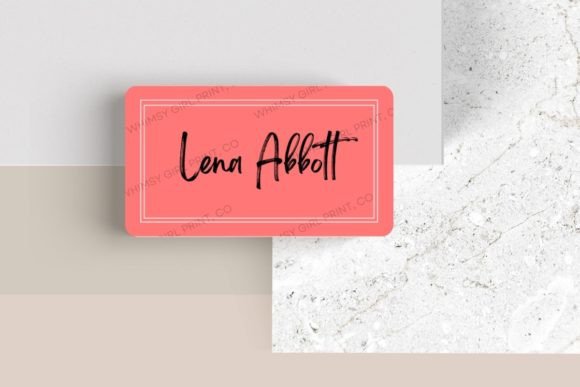
Editable Canva Business Card #42: A Modern Template for Your Brand
That moment of hesitation before a networking event, wondering if your business card truly reflects the quality of your work, is something many professionals know well. You need more than just contact information; you need a tangible piece of your brand that people remember. The Editable Canva Business Card #42 is designed to solve that exact problem. It’s not a static, one-size-fits-all solution, but a flexible, modern foundation that empowers you to build a card with the same care and attention you give to your business. This sleek template provides the creative control to ensure your first physical impression is a powerful one.
A Foundation for Stronger Brand Identity
Consistency is the bedrock of brand recognition. When your visual language—from your website to your social media to your business card—tells a cohesive story, you build trust and professionalism. This is where a tool like the Editable Canva Business Card #42 becomes invaluable. By allowing you to easily upload your logo, match your exact brand color palette, and select from a curated set of complementary fonts, the template acts as a bridge between your digital and physical brand assets. Imagine handing a card that feels like a natural extension of your Instagram feed or website header. That seamless experience reinforces who you are and what you stand for, making you instantly more memorable. The template’s clean layout ensures your information is presented with clarity, letting your brand’s personality shine without visual clutter.
Practical Customization That Makes a Difference
The true power of this editable business card template lies in its practical, user-friendly customization options. You’re not just changing text; you’re tailoring a communication tool. Here’s how the specific features translate into real-world value:
- Font, Color, and Size Control: Typography is a voice. Choosing the right display font or a clean sans serif font for your name versus a more approachable script font for a tagline sets the tone. Adjusting size and color creates a visual hierarchy, guiding the recipient’s eye to the most important information first—your name and title.
- Logo Integration: Your logo is your signature. The ability to place it prominently ensures immediate brand association. This isn’t just about slapping a logo on; it’s about integrating it into the design so it feels balanced and intentional.
- Element Flexibility: The freedom to move elements around and add additional elements like subtle icons, a professional headshot, or a QR code is a game-changer. A photographer might add a tiny camera icon; a consultant could include a brief QR code linking to their portfolio. This turns a standard card into a dynamic piece of marketing collateral.
This level of control is perfect for small business owners, freelancers, and content creators who need their materials to work hard for them. It’s a practical application of modern typography and visual communication principles, packaged for anyone to use.
Beyond the Business Card: A Versatile Design Asset
While its primary function is clear, the design principles and visual appeal of Editable Canva Business Card #42 offer inspiration for broader applications. The same sleek, modern aesthetic that makes it effective for networking can be adapted across your entire suite of design assets. Consider using the template’s layout as a starting point for other projects:
- Social Media Graphics: Use the same color scheme and font pairings for Instagram Story templates or quote graphics to maintain visual consistency across platforms.
- Packaging Design: For product-based businesses, the minimalist style could inspire hang tags, thank you cards, or sleeve designs that feel professional and cohesive.
- Digital Products & Marketing Assets: The clean layout is ideal for designing email headers, webinar slide templates, or PDF download covers that align with your brand identity.
- Invitations & Editorial Layouts: The elegant simplicity could be repurposed for event invitations, workshop flyers, or even the layout of a digital lookbook or mini-magazine.
By starting with a strong, editable template, you’re not just creating a business card—you’re exploring a visual style that can be woven into the fabric of all your creative projects, from web design to print materials.
Making a Lasting Impression with Intentional Design
In a stack of business cards, the ones that stand out are those that feel considered. They demonstrate an understanding of professional presentation and audience engagement. A card that is cluttered, hard to read, or uses mismatched fonts can undermine your credibility before a word is spoken. This is where thoughtful design choices matter.
When customizing your card, think about readability. A beautiful handwritten font might be perfect for a creative studio’s logo but could be illegible for your phone number. Testing font pairings—perhaps a bold serif font for your name with a simple sans serif for contact details—creates a pleasing contrast that is also functional. The template’s 3.5″ x 2″ standard size is a familiar canvas, but how you use it defines the experience.
Before you finalize your design, print a test copy. Check the color accuracy, feel the paper stock, and ensure every element is sharp and clear. This final step is part of the process of creating a premium item that speaks volumes about your attention to detail. It’s this blend of creative freedom and practical refinement that turns a simple template into a powerful networking tool.